










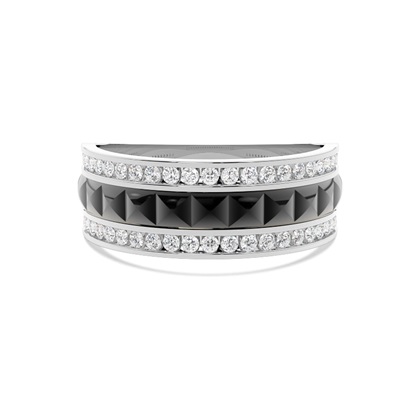

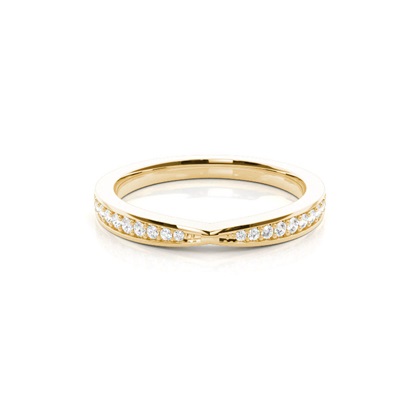
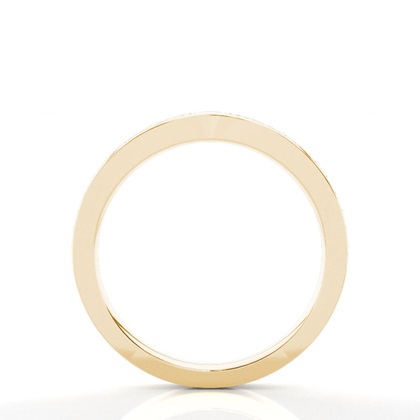
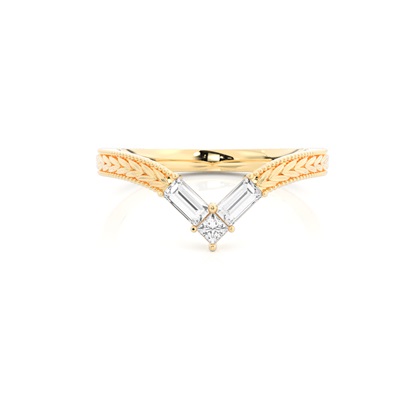
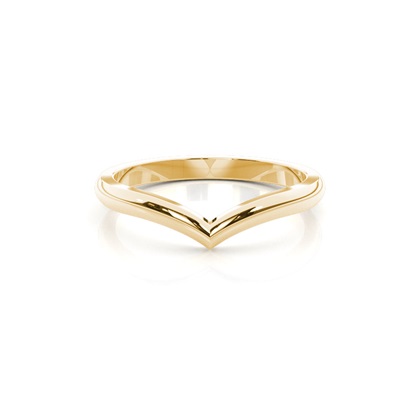
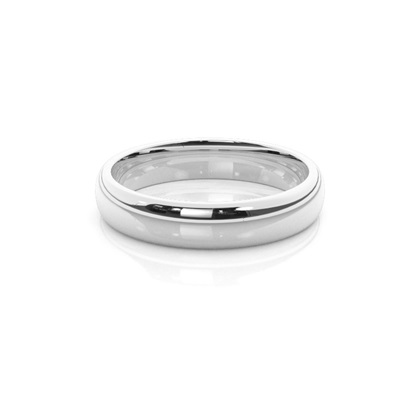
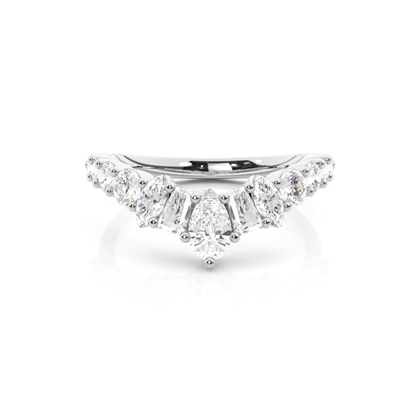
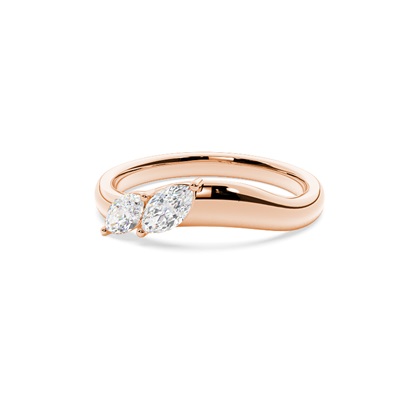

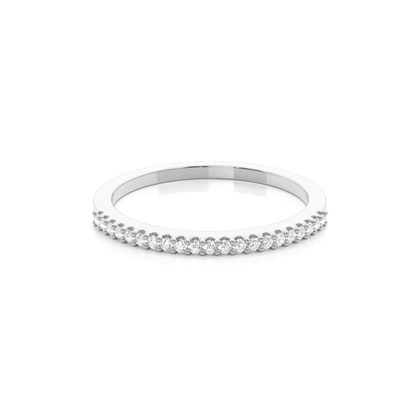
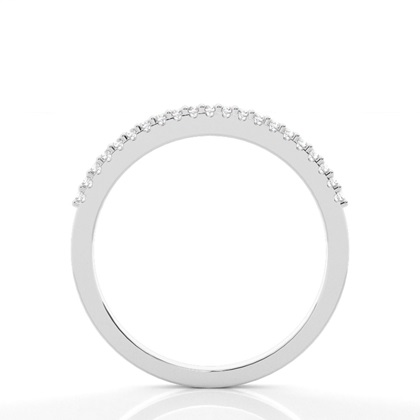
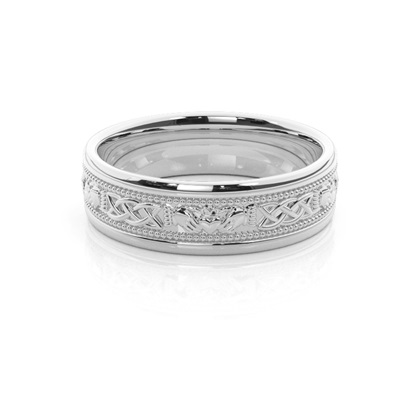

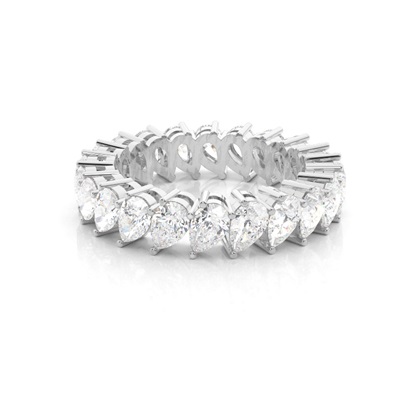
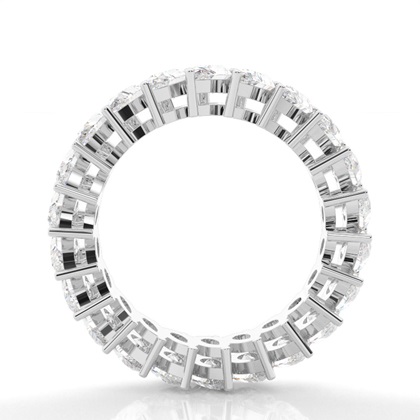
466 Wedding Rings were found
Buy now,
pay later
with Humm

Wedding
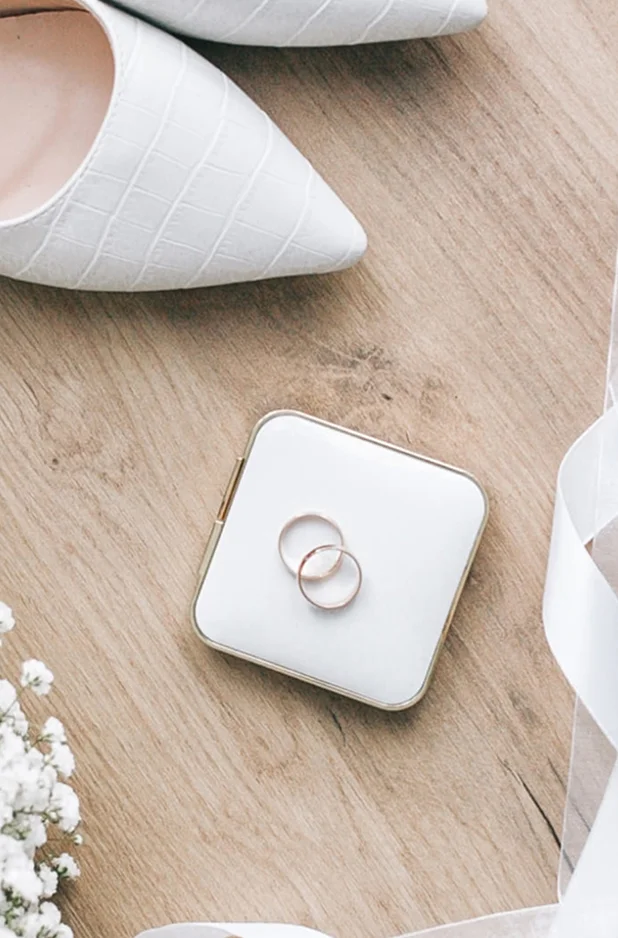
Ring Guide
https://ie.diamondsfactory.org/wedding-rings?page=2&page=1
Our approach

Savings That Won't Be Beaten
Offering exceptional jewellery pieces at the best possible prices is what we do best.

Unmatched Quality
Handmade in-house by our highly experienced craftspeople, you won’t find better quality anywhere else.

Price Match Guarantee
Found a better price on a like for like product? We'll match it so you can make it yours at Diamonds Factory.

Impeccable Customer Service
We pride ourselves on our incredible level of customer service, so you can feel confident in contacting us for any questions or queries.

FAQs
*individually for Wedding RingsA wedding ring is traditionally worn on your fourth finger from the right, on your left hand, which is why we call this finger your ring finger. However this can differ depending on what country you're in.
What you spend on a wedding ring entirely depends on your budget and what you're looking for. Tradition generally states that you should spend three months salary on an engagement ring, but with regards to wedding rings there really are no rules. You want your wedding ring to pair up with your engagement ring perfectly, so what you spend really depends more on this and your preferences.
There really are no rules for what carat your wedding ring should be. Normally, you'll want your wedding ring to match up with your engagement ring, so perhaps choosing a carat weight that compliments this is the perfect place to start. As the main goal is to choose a wedding ring that pair perfectly with your engagement ring, the main aim is to make sure the carat you choose doesn't under or overpower how it looks on your finger.
When recommending what metal is best for a wedding ring, platinum is always an amazing choice - this is because it's the hardest-wearing, however gold is also a common and more popular choice when choosing a wedding ring too. It all depends on what's going to match up with your engagement ring the best, to create the perfect pair.
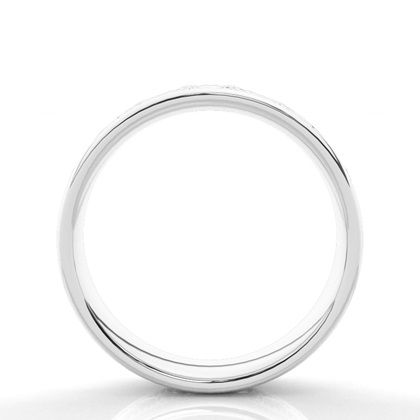
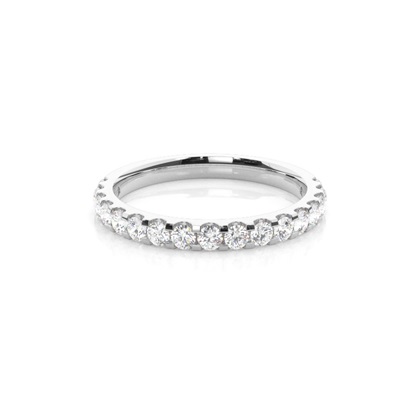
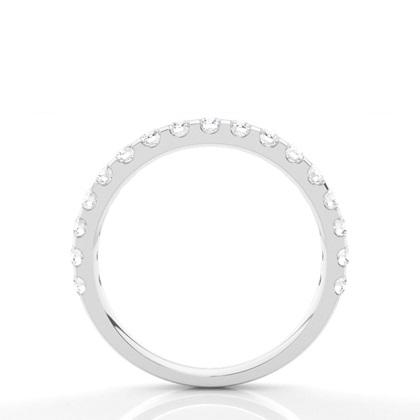
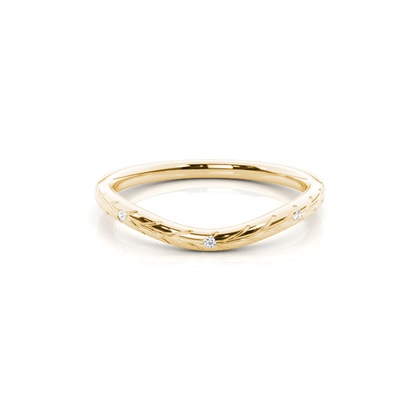
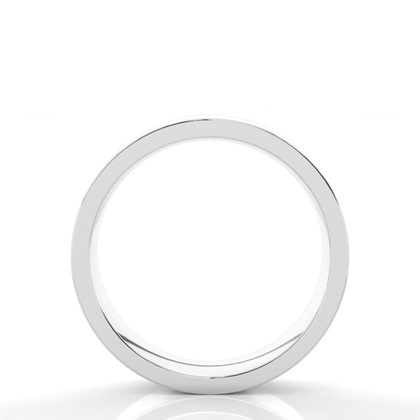
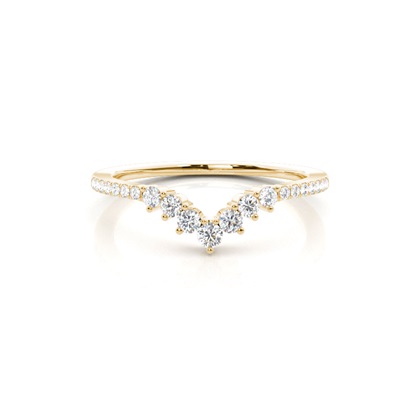
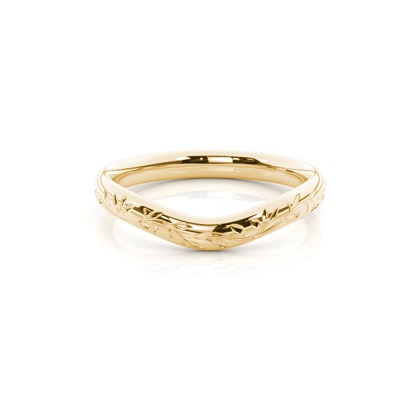
There are several types of wedding rings. Common styles include classic metal bands, diamond-studded options, and gemstone rings. Additionally, you can choose from various materials such as gold (yellow, white, and rose), platinum, and silver.
Choosing the right wedding ring size is crucial for comfort and wearability. To do this, you can come into one of our stores and get your ring size professionally measured. Or, if you want to find your ring size at home, you can measure the ring size circumference of the finger you will be wearing the ring on using a tape measure and then use our ring size conversion chart to get your ring size and convert it. Alternatively, we offer a free ring sizer that can be delivered straight to your door.
Clean your ring regularly with a gentle soap and soft brush. Avoid exposing it to harsh chemicals, and remove it when engaging in activities that could cause damage, such as swimming. Store it safely in a soft-lined box or pouch, separate from other jewellery. You can also consider having it professionally cleaned every six months.


 Filter & Sort
 Unlock private sale access
 Birthday privileges
 Plus a world of exclusives, curated for you.